Understanding Industrial Padmount Transformers

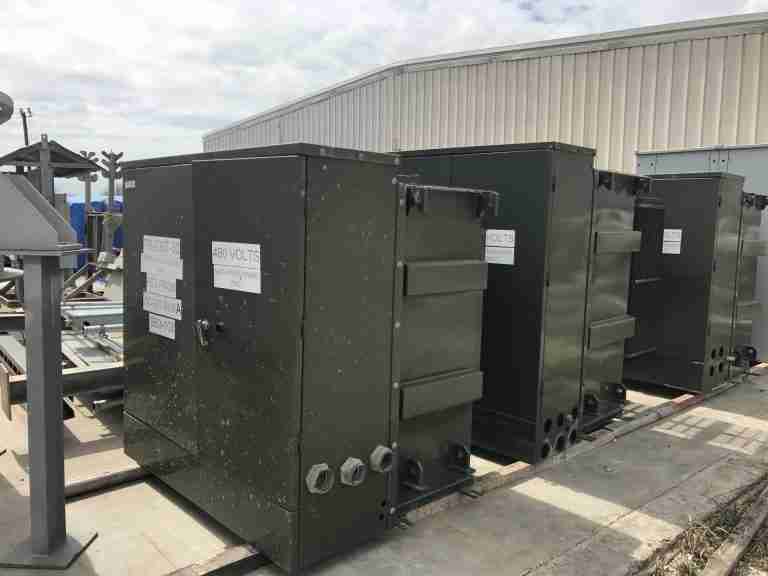
Padmount transformers are electrical devices that change voltage levels. They sit on concrete pads on the ground, hence the name “padmount.” These transformers are common in both residential and industrial settings, but they have different features depending on their use.
Industrial vs. Residential Padmount Transformers
1. Size: Industrial padmount transformers are often larger than residential ones. They need to handle more power for industrial operations.
2. Power Capacity: Industrial transformers typically have higher power ratings. They can handle more electricity to meet the demands of industrial equipment.
3. Voltage Levels: Industrial transformers often work with higher voltage levels than residential transformers. They might step down voltage from transmission levels to distribution levels for industrial use.
4. Customization: Industrial transformers are more likely to be customized for specific needs. Residential transformers are usually more standardized.
5. Cooling Systems: Industrial padmount transformers often have more advanced cooling systems. This is because they handle more power and generate more heat.
6. Monitoring Equipment: Industrial transformers usually have more monitoring equipment. This helps track performance and prevent issues in critical industrial settings.
7. Security Features: Industrial padmount transformers often have extra security features. This protects against tampering or unauthorized access.
Industries That Use Padmount Transformers
1. Manufacturing Plants: Factories use padmount transformers to power heavy machinery and equipment.
2. Data Centers: These facilities need reliable power for their servers and cooling systems.
3. Hospitals: Medical facilities use padmount transformers to ensure a steady power supply for critical equipment.
4. Shopping Centers: Large retail spaces need transformers to power lighting, air conditioning, and other systems.
5. Educational Institutions: Schools and universities use padmount transformers to power classrooms, laboratories, and administrative buildings.
6. Oil and Gas Facilities: These sites often use padmount transformers in their operations.
7. Renewable Energy Plants: Solar and wind farms use padmount transformers to connect to the power grid.
Why Choose Padmount Transformers for Industrial Use?
1. Space Efficiency: They take up less space than other types of transformers. This is useful in areas where space is limited.
2. Safety: Padmount transformers are enclosed in a protective cabinet. This makes them safer in areas where people might be present.
3. Aesthetics: They are less visually intrusive than pole-mounted transformers. This can be important in some industrial settings.
4. Accessibility: Being at ground level makes them easier to maintain and repair.
5. Durability: They are designed to withstand outdoor conditions, making them suitable for various industrial environments.
6. Flexibility: Padmount transformers can be customized to meet specific industrial needs.
When to Use Padmount Transformers in Industrial Settings
1. Limited Overhead Space: If there’s not enough room for overhead lines or pole-mounted transformers, padmount transformers are a good option.
2. Underground Distribution: When power lines are underground, padmount transformers work well.
3. New Developments: In new industrial parks or facilities, padmount transformers can be part of the initial design.
4. Expansion Projects: When expanding an existing facility, padmount transformers can be added without major changes to infrastructure.
5. Areas with Aesthetic Concerns: If the industrial site needs to maintain a certain appearance, padmount transformers are less visible than other options.
When Not to Use Padmount Transformers
1. Flood-Prone Areas: In areas that flood often, pole-mounted transformers might be safer.
2. Very High Voltage: For extremely high voltage applications, other types of transformers might be more suitable.
3. Limited Ground Space: If there’s no room on the ground for a pad, pole-mounted or indoor transformers might be necessary.
4. Temporary Installations: For short-term power needs, mobile substations or temporary overhead transformers might be better.
Features
1. Protective Enclosure: A metal cabinet protects the transformer from weather and tampering.
2. Cooling Systems: They often use oil or other liquids for cooling. Some use fans for extra cooling.
3. Bushings: These connect the transformer to incoming and outgoing power lines.
4. Tap Changers: These allow adjustments to the transformer’s voltage output.
5. Monitoring Equipment: Sensors and gauges track the transformer’s performance and condition.
6. Surge Arresters: These protect the transformer from voltage spikes.
7. Grounding Systems: These ensure safety and proper operation.
Types
1. Oil-Filled Transformers: These use oil for insulation and cooling. They are common in many industrial applications.
2. Dry-Type Transformers: These don’t use oil. They’re often used indoors or in environmentally sensitive areas.
3. Cast Coil Transformers: These have coils encased in epoxy resin. They’re good for harsh environments.
4. Compact Padmount Transformers: These are smaller versions for areas with limited space.
5. Network Transformers: These are designed for use in grid network systems, often in urban areas.
6. Renewable Energy Transformers: These are specially designed for use in solar or wind power systems.
Maintenance
1. Regular Inspections: Checking for signs of wear, damage, or leaks.
2. Oil Testing: For oil-filled transformers, regular oil tests check for contamination or degradation.
3. Cleaning: Keeping the transformer and its surroundings clean prevents issues.
4. Monitoring: Regularly checking gauges and sensors for any changes in performance.
5. Repairs: Addressing any issues promptly to prevent bigger problems.
6. Replacement Planning: Planning for eventual replacement as the transformer ages.
Safety Considerations
1. Access Restriction: Only trained personnel should access the transformer.
2. Proper Grounding: Ensuring the transformer is correctly grounded prevents electrical hazards.
3. Warning Signs: Clear signs should warn of electrical danger.
4. Emergency Procedures: Having clear procedures for emergencies like fires or oil leaks.
5. Regular Training: Ensuring all relevant staff are trained in safety procedures.
Environmental Considerations
1. Oil Leaks: Oil-filled transformers can potentially leak, causing environmental damage.
2. PCBs: Older transformers might contain PCBs, which are harmful to the environment.
3. Noise: Some transformers can produce noise, which might be an issue in certain areas.
4. Energy Efficiency: More efficient transformers can reduce energy waste and environmental impact.
Conclusion
Industrial padmount transformers play a crucial role in many industries. They offer a space-efficient, safe, and flexible solution for power distribution. While they’re not suitable for every situation, they’re a valuable option in many industrial settings. Understanding their features, benefits, and limitations helps in choosing the right transformer for specific industrial needs. Proper maintenance and safety practices ensure these transformers continue to function effectively and safely.
If you have an industrial padmount transformer you are looking to sell, contact ATS. We are the premier padmount transformer buyer in the USA.