What Assets Do Top Transformer Buyers Accept?

Transformers play a crucial role in managing the flow and distribution of power. As technology advances and infrastructure evolves, companies often find themselves with transformers that no longer meet their needs or have reached the end of their useful life. In these situations, selling used transformers to reputable transformer buyers can be a smart financial and environmental decision. But what types of transformers do top buyers accept? Let’s explore the world of transformer buying and discover the assets that are in high demand.
Understanding the Transformer Market
Before diving into the specific types of transformers that top buyers seek, it’s essential to understand the current state of the transformer market. The demand for transformers is driven by a variety of factors, including the growth of renewable energy, the need to upgrade aging infrastructure, and the expansion of industrial and commercial projects.
According to a report by Inkwood Research, the North American distribution transformer market, which includes both new and used transformers, is projected to grow at a compound annual growth rate (CAGR) of 7.51% between 2020 and 2028. This growth is largely fueled by the increasing adoption of renewable energy sources and the need to modernize the electrical grid to accommodate these changes.
However, the transformer market is not without its challenges. The COVID-19 pandemic has disrupted supply chains, causing shortages of raw materials and delays in production. This has led to increased lead times and higher prices for new transformers, making the market for used transformers even more attractive to buyers.
Types of Transformers Top Buyers Accept
1. Padmount Transformers
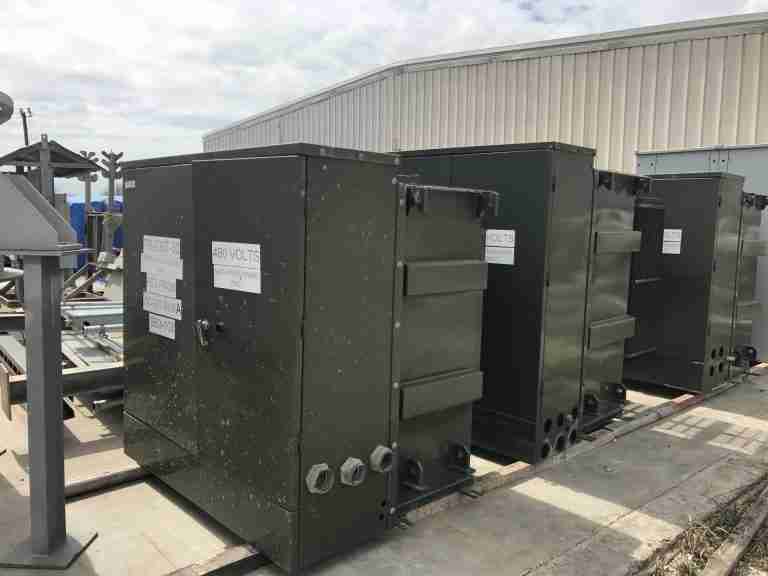
Padmount transformers are a popular choice among top buyers due to their versatility and widespread use in residential and commercial applications. These transformers are designed to be mounted on the ground and are typically used to step down high-voltage electricity from main power lines to a lower voltage suitable for use in homes and businesses.
Top buyers often seek padmount transformers that are in good condition, with a proven track record of reliability and efficiency. They may also be interested in transformers with specific features, such as low-profile designs or those that are built to withstand harsh environmental conditions.
2. Pole Mount Transformers
Pole mount transformers, as the name suggests, are designed to be mounted on utility poles. These transformers are commonly used in rural areas or locations where underground power lines are not feasible. They are also used to distribute power to homes and businesses in suburban and urban settings.
Top buyers are often interested in pole mount transformers that are in good working condition and have been well-maintained throughout their lifespan. They may also seek transformers with specific voltage ratings or those that are equipped with advanced monitoring and protection features.
3. Substation Transformers
Substation transformers are large, high-voltage transformers that are used in electrical substations to step down the voltage of electricity from transmission lines to a lower voltage suitable for distribution to homes and businesses. These transformers are critical components of the electrical grid and are essential for ensuring the reliable and efficient delivery of power.
Top buyers are often interested in substation transformers that are in excellent condition and have been properly maintained throughout their lifespan. They may also seek transformers with specific power ratings or those that have been manufactured by well-known and respected brands.
4. Dry Type Transformers
Dry type transformers are a type of transformer that uses air as the cooling medium, rather than oil or other liquids. These transformers are often used in industrial and commercial applications where the risk of fire or environmental contamination is a concern.
Top buyers may be interested in dry type transformers that are in good working condition and have been properly maintained. They may also seek transformers with specific voltage ratings or those that are designed for use in hazardous locations.
5. Oil-Filled Transformers
Oil-filled transformers are another common type of transformer that top buyers often seek. These transformers use oil as a cooling medium and insulation, which helps to prevent overheating and extend the lifespan of the transformer.
Top buyers may be interested in oil-filled transformers that are in good condition and have been properly maintained, with regular oil testing and filtration. They may also seek transformers with specific voltage ratings or those that are designed for use in harsh environmental conditions.
What Top Buyers Look for in Used Transformers
While the specific types of transformers that top buyers seek can vary depending on their needs and applications, there are some common factors that buyers consider when evaluating used transformers:
1. Age and Condition: Top buyers often prefer transformers that are relatively new and in good condition, with minimal signs of wear and tear. They may also consider the maintenance history of the transformer and any repairs or upgrades that have been made.
2. Brand and Manufacturer: Some buyers may have a preference for transformers from specific brands or manufacturers, based on their reputation for quality and reliability.
3. Voltage and Power Ratings: Buyers will typically seek transformers that meet their specific voltage and power requirements, based on the needs of their application or project.
4. Environmental Factors: Depending on the location and intended use of the transformer, buyers may seek assets that are designed to withstand specific environmental conditions, such as extreme temperatures, humidity, or exposure to corrosive substances.
5. Compliance with Standards: Top buyers will often require that used transformers comply with relevant industry standards and regulations, such as those set by the IEEE or ANSI.
How to Sell Your Used Transformers
If you have used transformers that you no longer need, selling them to a reputable buyer can be a smart way to recoup some of your investment and ensure that the assets are put to good use. Here are some steps you can take to sell your used transformers:
1. Assess the condition of your transformers and gather all relevant documentation, such as maintenance records and test results.
2. Research potential buyers and compare their reputation, pricing, and terms of service.
3. Contact buyers to discuss your transformers and provide them with detailed information about the assets you have available.
4. Negotiate terms and pricing with the buyer, and arrange for safe and secure transportation of the transformers to their facility.
By working with a reputable buyer like American Transformer Solutions, you can ensure that your used transformers are properly evaluated, priced, and repurposed, while minimizing your own hassle and risk.
The Bottom Line
Top transformer buyers are always on the lookout for high-quality used transformers that can be repurposed or recycled for new applications. By understanding the types of transformers that are in high demand and the factors that buyers consider when evaluating assets, you can position yourself to get the best possible value for your used transformers.
Whether you have padmount transformers, pole mount transformers, substation transformers, dry type transformers, or oil-filled transformers, there is likely a buyer out there who is interested in your assets. By working with a reputable buyer and following best practices for selling used transformers, you can maximize your returns and contribute to a more sustainable and efficient electrical grid.