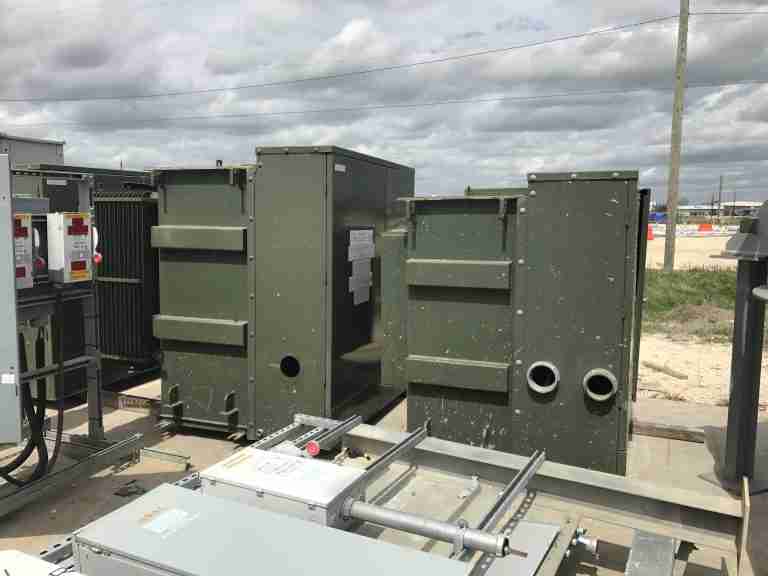
PCB Transformer Disposal: What You Need to Know

Understanding PCBs and Their Use in Transformers
PCBs, or Polychlorinated Biphenyls, are synthetic organic chemicals once widely used in electrical equipment. These compounds were popular in transformers due to their stability and fire-resistant properties. However, their use has been phased out due to environmental and health concerns. There are certain rules and regulations you need to know for proper PCB transformer disposal, and today we are going to tell you what you need to know.
Transformers containing PCBs were common in industrial settings before the 1979 ban on PCB production in the United States. Many of these transformers are still in use or awaiting proper disposal.
Why PCB Transformer Disposal is Necessary
The disposal of PCB transformers is crucial for several reasons:
- Environmental Protection: PCBs can persist in the environment for long periods, contaminating soil and water sources.
- Health Risks: Exposure to PCBs can lead to various health issues, including skin conditions, liver damage, and potential cancer risks.
- Legal Compliance: Regulations require the proper disposal of PCB-containing equipment to prevent environmental contamination.
- Workplace Safety: Removing PCB transformers helps create a safer work environment for employees.
Environmental Impacts of PCBs
PCBs have significant environmental impacts:
- Persistence: They do not break down easily in nature, remaining in the environment for decades.
- Bioaccumulation: PCBs can build up in the tissues of animals, especially in aquatic ecosystems.
- Widespread Contamination: They can travel long distances through air and water, affecting areas far from their original source.
Health Risks Associated with PCB Exposure
Exposure to PCBs can lead to various health problems:
- Skin issues like acne and rashes
- Liver damage
- Reproductive system effects
- Potential links to certain types of cancer
These health risks make proper handling and disposal of PCB transformers essential.
Regulations Governing PCB Transformer Disposal
Several regulations guide the disposal of PCB transformers:
Toxic Substances Control Act (TSCA)
The TSCA, administered by the Environmental Protection Agency (EPA), sets strict guidelines for PCB management and disposal.
Resource Conservation and Recovery Act (RCRA)
The RCRA provides a framework for the proper management of hazardous waste, including PCB-containing materials.
State and Local Regulations
Many states and local governments have additional requirements for PCB disposal that complement federal regulations.
Steps in PCB Transformer Disposal
The process of disposing of PCB transformers involves several steps:
- Identification: Determine if the transformer contains PCBs through testing or documentation review.
- Draining: Safely remove PCB-containing oil from the transformer.
- Decontamination: Clean the transformer to remove PCB residues.
- Transportation: Move the drained transformer and PCB oil to an approved disposal facility.
- Destruction: Properly destroy PCBs through high-temperature incineration or other approved methods.
Best Practices for PCB Transformer Handling
When dealing with PCB transformers, follow these best practices:
- Use proper personal protective equipment (PPE)
- Avoid skin contact with PCB-containing materials
- Prevent spills and leaks during handling and transportation
- Keep accurate records of PCB transformer disposal activities
Alternatives to PCB Transformers
Modern transformers use alternative fluids that are less harmful to the environment:
- Mineral oil
- Silicone-based fluids
- Vegetable-based oils
These alternatives provide similar performance without the environmental and health risks associated with PCBs.
The Importance of Professional PCB Transformer Disposal
Proper disposal of PCB transformers requires specialized knowledge and equipment. Professional disposal services ensure:
- Compliance with all relevant regulations
- Minimal environmental impact
- Safe handling and transportation of hazardous materials
- Proper documentation for regulatory purposes
Challenges in PCB Transformer Disposal
Several challenges exist in the disposal process:
- Identifying PCB-containing equipment
- Managing costs associated with disposal
- Finding approved disposal facilities
- Ensuring proper decontamination of equipment
The Future of PCB Management
As older PCB-containing equipment reaches the end of its lifespan, the focus is shifting to:
- Continued identification and disposal of remaining PCB transformers
- Remediation of PCB-contaminated sites
- Development of more efficient disposal technologies
- Ongoing monitoring of PCB levels in the environment
Conclusion: Taking Action on PCB Transformer Disposal
Proper disposal of PCB transformers is crucial for environmental protection, legal compliance, and public health. By understanding the risks and following proper procedures, industries can responsibly manage these hazardous materials.
Remember, professional assistance is key to ensuring safe and compliant PCB transformer disposal.
ATS are experts at PCB Transformer Disposal. If you would like to learn more, please email us at info@americantransformersolutions.com or contact us.