Hurricane Impact on Industrial Transformers

Industrial transformers play a crucial role in our electrical infrastructure, ensuring the efficient distribution of power to homes, businesses, and public facilities. However, these essential components are vulnerable to severe weather events, particularly hurricanes. This article explores the impact of hurricanes on various types of transformers, the damage they sustain, and the subsequent processes of assessment, repair, and replacement. We’ll also discuss when it becomes necessary to sell damaged transformers and how companies like ATS facilitate this process.
Understanding Transformers and Their Importance
Transformers are vital components of the electrical grid, designed to modify voltage levels for safe and efficient power distribution. They come in several types, each serving a specific function within the power distribution network:
1. Pole-mounted transformers: Commonly seen on utility poles, these units step down high voltage power for residential and small commercial use.
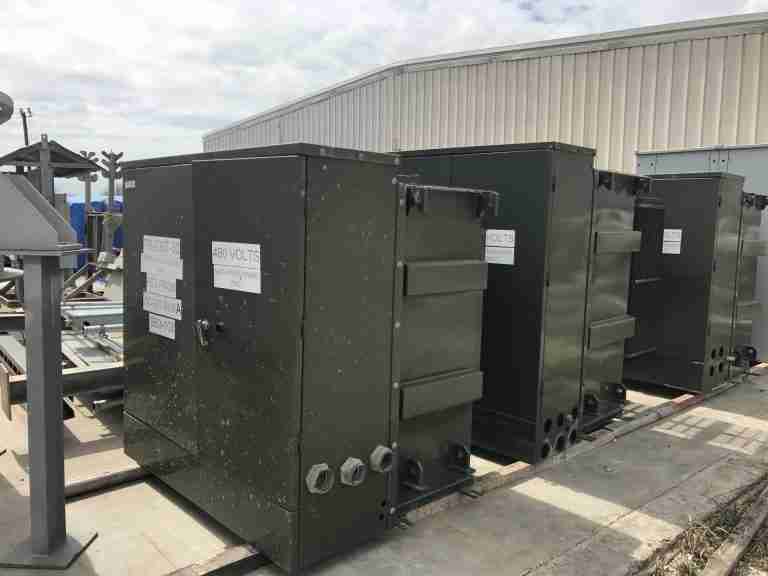
2. Pad-mounted transformers: Typically housed in metal enclosures at ground level, these transformers serve larger commercial and industrial customers.
3. Substation transformers: Large-scale units found in electrical substations, responsible for significant voltage transformations in the power distribution chain.
These transformers work in concert to ensure that electricity is delivered at appropriate voltages from power generation facilities to end-users. Their proper functioning is essential for maintaining a stable and reliable electrical supply across communities.
Hurricane Impact on Industrial Transformers
Hurricanes pose multiple threats to transformer integrity and functionality. The primary hurricane impact on industrial transformers include:
1. High-velocity winds: Hurricane-force winds can cause direct physical damage to transformers and supporting structures.
2. Heavy precipitation: Excessive rainfall leading to flooding can compromise transformer functionality and insulation.
3. Lightning strikes: Increased lightning activity during hurricanes can cause electrical surges and overloads.
Let’s examine how each type of transformer is affected by these hurricane-related hazards:
Pole-mounted Transformers
While elevated positioning protects these units from flooding, they face other significant risks:
– Structural damage to utility poles from high winds
– Impact from wind-borne debris
– Electrical overloads due to downed power lines and grid instability
Pad-mounted Transformers
Ground-level placement exposes these transformers to different challenges:
– Flood damage to internal components and insulation
– Physical impact from flood-carried debris
– Water ingress leading to short circuits and electrical failures
Substation Transformers
These large-scale units encounter a unique set of problems:
– Flooding of control systems and cooling equipment
– Wind damage to auxiliary components and connections
– Electrical system overloads from lightning strikes and grid fluctuations
Post-Hurricane Assessment and Recovery
After a hurricane passes, utility companies and industrial facilities must quickly assess the condition of the hurricane impact on industrial transformer infrastructure. This process is critical for restoring power and ensuring public safety. Here’s an overview of the steps involved:
Initial Damage Assessment
1. Visual Inspection: Teams conduct preliminary surveys to identify visibly damaged transformers and infrastructure.
2. Safety Protocols: Areas with downed power lines or leaking transformers are cordoned off to prevent accidents.
3. Prioritization: Damage is categorized based on severity and the transformer’s importance to the overall grid.
Detailed Evaluation
Once immediate safety concerns are addressed, a more thorough evaluation takes place:
1. Electrical Testing: Technicians perform tests to assess the internal condition of transformers that appear undamaged externally.
2. Oil Sampling: For oil-filled transformers, samples are analyzed to detect potential internal damage or contamination.
3. Thermal Imaging: Advanced imaging techniques help identify hot spots that may indicate hidden damage.
Repair and Replacement Decisions
Based on the assessment results, decisions are made regarding each affected transformer:
1. Minor Repairs: Some transformers may only require minimal intervention, such as drying out water-affected components or replacing minor parts.
2. Major Overhaul: Transformers with significant but repairable damage are sent to specialized facilities for comprehensive restoration.
3. Replacement: When repair costs exceed a certain threshold or damage is too extensive, complete replacement becomes necessary.
Mitigation Strategies for Future Hurricanes
Learning from each hurricane event, the industry continually evolves its approach to protect transformers:
1. Improved Design: Manufacturers develop more resilient transformer models with better sealing against water ingress and stronger structural components.
2. Strategic Placement: Utilities reassess the positioning of pad-mounted and substation transformers to minimize flood risk.
3. Enhanced Monitoring: Implementation of real-time monitoring systems allows for quicker response to developing issues during storms.
4. Preventative Maintenance: Regular inspections and upkeep help ensure transformers are in optimal condition to withstand severe weather.
When to Consider Selling Hurricane Impacted Industrial Transformers
In some cases, selling damaged transformers becomes a viable option:
1. Beyond Economic Repair: When repair costs approach or exceed replacement costs, selling for salvage value may be more economical.
2. Outdated Technology: Damage to older transformers may present an opportunity to upgrade to more efficient models.
3. Insurance Considerations: Depending on insurance policies, selling damaged units might be part of the claim process.
4. Environmental Concerns: Proper disposal of damaged transformers, especially those containing hazardous materials, is crucial. Selling to specialized handlers ensures environmentally responsible processing.
The Role of ATS in Hurricane Impact on Industrial Transformer Recovery
Advanced Technology Services (ATS) plays a vital role in the post-hurricane transformer market:
1. Purchasing Damaged Units: ATS buys transformers in various conditions, providing a valuable service to utilities and industries looking to offload damaged equipment.
2. Expert Assessment: With specialized knowledge, ATS can often salvage components or entire units that others might consider beyond repair.
3. Environmentally Responsible Processing: ATS ensures that all materials from damaged transformers are handled in compliance with environmental regulations.
4. Market Stabilization: By purchasing damaged units, ATS helps stabilize the transformer market, preventing shortages and price spikes in the wake of major storms.
Contacting ATS for Transformer Sales
If your organization has hurricane impact on industrial transformers, ATS offers a straightforward process:
1. Initial Consultation: Contact ATS through their website or dedicated phone line for an initial assessment.
2. Documentation: Provide details about the transformer(s), including type, age, damage extent, and current location.
3. Evaluation: ATS may send a team to inspect the units on-site or request additional information.
4. Offer and Agreement: Based on the evaluation, ATS will provide a purchase offer and, if accepted, arrange for transportation and transfer of ownership.
5. Completion: Once the sale is finalized, ATS manages the removal and transportation of the transformer(s), ensuring all legal and environmental requirements are met.
By choosing to sell damaged transformers to ATS, organizations can recoup some losses while ensuring responsible handling of these complex devices.
Conclusion
Hurricanes present significant challenges to the integrity and functionality of industrial transformers. Understanding the impact of these severe weather events and implementing effective mitigation strategies is crucial for maintaining a resilient power infrastructure. When damage occurs, a systematic approach to assessment, repair, and replacement is essential. For transformers beyond repair or when upgrading is advantageous, companies like ATS provide valuable services in purchasing and responsibly processing damaged units. This comprehensive approach to transformer management in the face of hurricane threats helps ensure the stability and reliability of our electrical systems, even in the aftermath of severe storms. If you have any transformers that were damaged during Hurricane Berryl, contact us!