Recycling Industrial Transformers
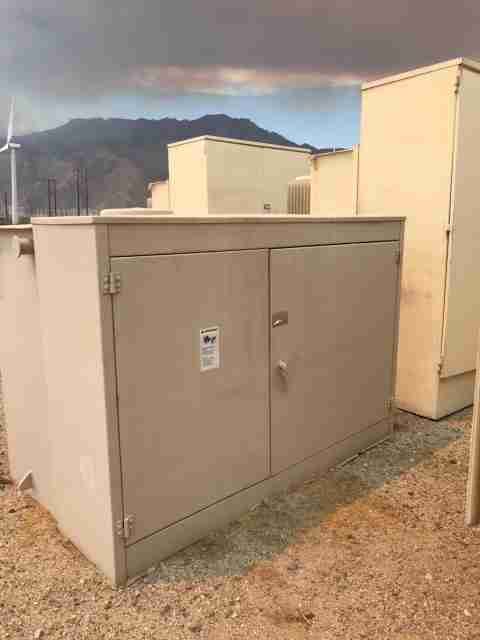
In the quest for a more sustainable future, the recycling of industrial transformers has become increasingly important. These transformers, which are essential components in various industries, contain valuable materials that can be recycled and repurposed, reducing the need for virgin resources and minimizing waste. While there are several options for recycling industrial transformers, partnering with transformer buyers has emerged as one of the most effective and beneficial solutions.
Expertise in Recycling Industrial Transformers
One of the primary reasons why transformer buyers are the best resource for recycling industrial transformers is their extensive expertise in the recycling process. These specialized buyers have the knowledge and experience necessary to efficiently dismantle transformers into their basic components, ensuring that the materials are properly sorted and prepared for recycling.
This expertise is particularly important when it comes to recycling copper, which is a primary component of most transformers. Copper is a highly sought-after metal for recycling due to its excellent electrical conductivity and versatility. Transformer buyers understand the value of this material and have the skills to extract it efficiently from end-of-life transformers.
By working with experienced transformer buyers, companies can ensure that their transformers are recycled in a manner that maximizes the recovery of valuable materials. These buyers can properly separate the copper from other components, such as steel and insulation, and prepare it for recycling into new wire and other electrical fixtures. This process not only conserves resources but also reduces the environmental impact associated with mining and refining new copper.
Economic and Environmental Benefits of Maintenance and Repair
In addition to their recycling expertise, transformer buyers also play a crucial role in promoting the maintenance and repair of industrial transformers. Many buyers offer professional repair services that can substantially extend the lifespan of transformers, improve their efficiency, and reduce the likelihood of future failures.
Investing in regular maintenance, including predictive and preventive measures, is not only economically beneficial over time but also contributes to environmental sustainability. By prolonging the use of existing transformers, companies can reduce the need for manufacturing new ones, which requires significant energy and resources.
Moreover, well-maintained transformers operate more efficiently, consuming less energy and reducing the overall environmental footprint of the industries they serve. Transformer buyers who prioritize maintenance and repair help their clients optimize the performance of their transformers, resulting in cost savings and reduced environmental impact.
Support for a Sustainable Future
Transformer buyers who focus on maintenance, repair, and recycling are essential partners in building a sustainable future. By extending the life of industrial transformers and ensuring that they are recycled responsibly at the end of their service, these buyers contribute to the circular use of resources and the minimization of waste.
This approach aligns with broader environmental goals, such as reducing greenhouse gas emissions, conserving natural resources, and promoting sustainable practices across industries. As more companies recognize the importance of recycling and sustainable transformer management, partnering with reputable transformer buyers becomes an increasingly attractive option.
In addition to the environmental benefits, working with transformer buyers who prioritize sustainability can also help companies demonstrate their commitment to responsible practices. This can enhance their reputation among customers, investors, and other stakeholders who value environmental stewardship and corporate social responsibility.
The Role of Industry in Promoting Recycling Industrial Transformers
While transformer buyers play a critical role in the recycling process, the success of industrial transformer recycling ultimately depends on the participation and commitment of the industries that use these components. Companies across sectors, from manufacturing and energy to utilities and beyond, have a responsibility to ensure that their transformers are managed sustainably throughout their lifecycle.
By partnering with reputable transformer buyers and prioritizing maintenance, repair, and recycling, companies can contribute to the development of a more sustainable and resilient electrical infrastructure. This requires a proactive approach, where transformer management is viewed as an integral part of business operations rather than an afterthought.
Industry leaders can also play a vital role in promoting transformer recycling by sharing best practices, educating their peers, and advocating for sustainable policies and regulations. By working together to advance responsible transformer management, industries can accelerate the transition to a circular economy and create a more sustainable future for all.
Choosing the Right Transformer Buyer
To maximize the benefits of industrial transformer recycling, it is essential for companies to choose the right transformer buyer. When selecting a buyer, consider the following factors:
1. Expertise: Look for buyers with a proven track record of expertise in transformer recycling, maintenance, and repair. They should have the knowledge and skills necessary to handle your transformers safely and efficiently.
2. Environmental Commitment: Choose buyers who demonstrate a strong commitment to environmental sustainability. They should prioritize recycling, minimize waste, and follow responsible practices throughout the transformer management process.
3. Reputation: Partner with buyers who have a solid reputation in the industry. Look for companies with positive customer reviews, certifications, and a history of successful transformer recycling projects.
4. Services Offered: Consider the range of services offered by the transformer buyer. In addition to recycling, they should provide maintenance and repair services to help extend the life of your transformers and optimize their performance.
5. Transparency and Communication: Select buyers who are transparent about their processes and maintain open lines of communication. They should be willing to answer your questions, provide regular updates, and work collaboratively to meet your transformer management needs.
Conclusion
Industrial transformer recycling is a critical component of building a more sustainable future. By partnering with reputable transformer buyers, companies can ensure that their end-of-life transformers are recycled responsibly, conserving valuable resources and minimizing environmental impact.
Transformer buyers offer a range of benefits, from expertise in the recycling process to support for maintenance and repair. By extending the life of transformers and ensuring their efficient operation, these buyers contribute to both economic and environmental sustainability.
As industries increasingly recognize the importance of responsible transformer management, the role of transformer buyers will only continue to grow. By choosing the right partner and prioritizing sustainability throughout the transformer lifecycle, companies can play a vital role in creating a greener, more resilient future for all. If you are looking for the perfect partner for recycling industrial transformers, contact us!