Industrial Transformer Compliance Requirements

In the world of power distribution, industrial transformers play a crucial role. These unsung heroes of our electrical infrastructure work tirelessly to ensure that power is distributed safely and efficiently across various industrial applications. But with great power comes great responsibility, and that’s where industrial transformer compliance requirements come into play. In this article, we’ll dive into the world of industrial transformer compliance requirements, breaking down the complex regulations into bite-sized, easy-to-understand pieces.
Why Industrial Transformer Compliance Requirements Matter
Before we jump into the nitty-gritty of industrial transformer compliance requirements, let’s talk about why they’re so important. Imagine a world without these regulations – it would be like driving on roads without traffic rules. Chaos, right? Industrial transformer compliance requirements serve several critical purposes:
1. Safety First: They ensure that transformers operate safely, protecting workers and the public from electrical hazards.
2. Reliability: Compliant transformers are more reliable, reducing downtime and costly repairs.
3. Efficiency: Many regulations focus on energy efficiency, helping to reduce power consumption and operating costs.
4. Environmental Protection: Compliance often includes measures to prevent oil leaks and reduce environmental impact.
5. Standardization: These requirements create a common language for manufacturers, users, and regulators worldwide.
Now that we understand the importance of compliance let’s dive into the specific requirements.
Key Industrial Transformer Compliance Requirements That Are Standard
Industrial transformers must adhere to various standards depending on their location, application, and design. Here are some of the most important ones:
1. IEEE C57 Series
The Institute of Electrical and Electronics Engineers (IEEE) C57 series is a comprehensive set of standards for transformers. It covers everything from design and testing to installation and maintenance. Some key standards in this series include:
- IEEE C57.12.00: General requirements for liquid-immersed distribution, power, and regulating transformers
- IEEE C57.12.01: General requirements for dry-type distribution and power transformers
- IEEE C57.91: Guide for loading mineral-oil-immersed transformers
These standards ensure that transformers meet basic safety and performance requirements. You can find more information about IEEE. standards here.
2. IEC 60076 Series
The International Electrotechnical Commission (IEC) 60076 series is another crucial set of standards, widely used internationally. Key standards include:
- IEC 60076-1: General requirements for power transformers
- IEC 60076-3: Insulation levels, dielectric tests, and external clearances in air
- IEC 60076-11: Dry-type transformers
These standards provide guidelines for design, testing, and performance of transformers. More details can be found on the IEC website.
3. NEMA ST 20
The National Electrical Manufacturers Association (NEMA) ST 20 standard focuses on dry-type transformers. It covers:
- Electrical and mechanical characteristics
- Test procedures
- Safety requirements
This standard is particularly important for transformers used in commercial and industrial buildings in North America.
4. Energy Efficiency Standards
Energy efficiency is becoming increasingly important. In the United States, the Department of Energy (DOE) has set minimum efficiency standards for distribution transformers under 10 CFR Part 431. These standards aim to reduce energy waste and operating costs. Similar standards exist in other countries, such as the EU’s Ecodesign Directive.
Compliance Testing and Certification
Meeting these standards isn’t just about design – it’s also about proving compliance through testing and certification. Here are some key tests that industrial transformers typically undergo:
1. Routine Tests: Performed on every transformer
- Winding resistance measurement
- Ratio test
- Insulation resistance test
- No-load loss and excitation current test
- Load loss and impedance voltage test
2. Type Tests: Performed on representative samples
- Temperature rise test
- Lightning impulse test
- Short circuit withstand test
- Sound level measurement
3. Special Tests: Performed as agreed between manufacturer and purchaser
- Zero-sequence impedance test
- Harmonic analysis of no-load current
- Measurement of capacitance and tan delta
Certification bodies like UL (Underwriters Laboratories) and CSA (Canadian Standards Association) often conduct these tests and provide certification marks that indicate compliance with relevant standards.
Oil-filled vs. Dry-type Transformers: Compliance Considerations
The type of transformer – oil-filled or dry-type – can significantly impact compliance requirements. Let’s break down the key differences:
Oil-filled Transformers
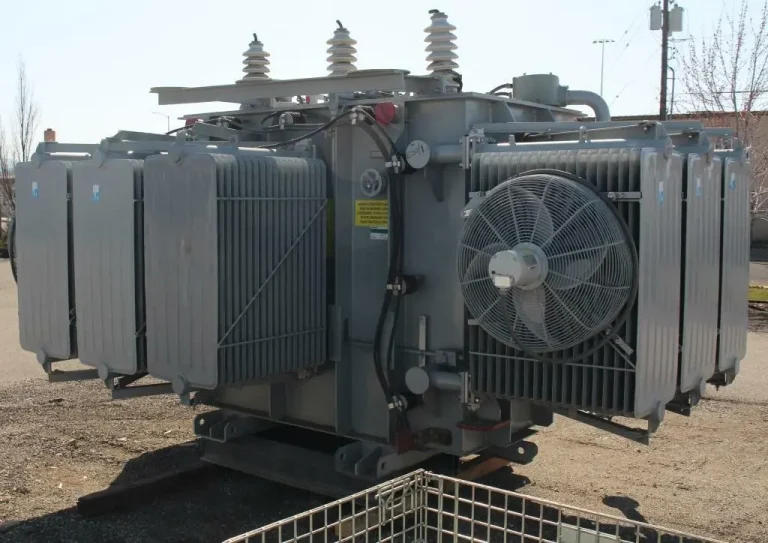
Oil-filled transformers use mineral oil or synthetic fluids for insulation and cooling. They’re often used in outdoor installations and high-power applications. Key compliance considerations include:
- Environmental Regulations: Must comply with regulations regarding oil containment and spill prevention. The EPA’s Spill Prevention, Control, and Countermeasure (SPCC) rule is crucial in the US.
- Fire Safety: Requires fire-resistant barriers and containment systems in many installations.
- Maintenance: Regular oil testing and maintenance are necessary to ensure continued compliance.
Dry-type Transformers
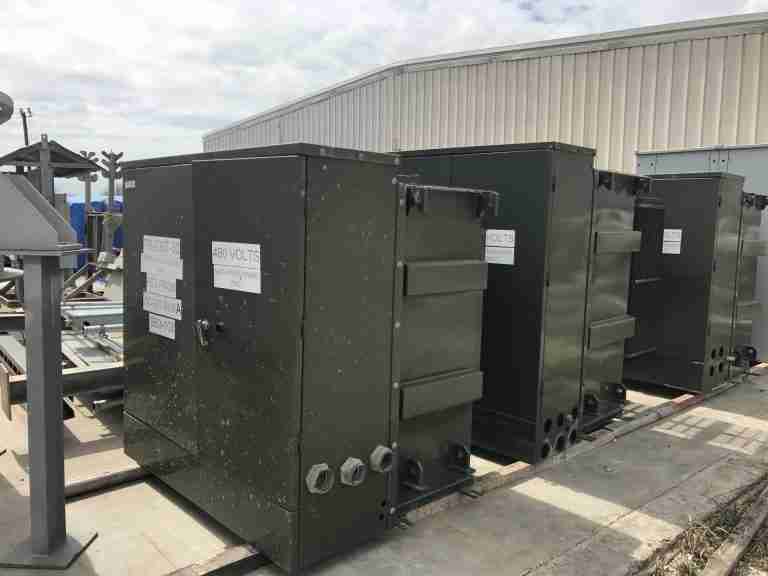
Dry-type transformers use air and solid insulation materials. They’re often used indoors and in environments where fire safety is a major concern. Compliance considerations include:
- Fire Safety: Must meet stricter fire safety standards, especially for indoor installations.
- Environmental Considerations: Generally considered more environmentally friendly due to the absence of oil.
- Temperature Rise: Must meet specific temperature rise limits under load.
Staying Compliant: Best Practices
Compliance isn’t a one-time thing – it’s an ongoing process. Here are some best practices to ensure your industrial transformers remain compliant:
1. Regular Inspections: Conduct routine visual and electrical inspections to catch potential issues early.
2. Maintenance Schedule: Develop and stick to a comprehensive maintenance schedule based on manufacturer recommendations and industry standards.
3. Documentation: Keep detailed records of all tests, inspections, and maintenance activities. This is crucial for demonstrating compliance during audits.
4. Staff Training: Ensure that all personnel working with or around transformers are trained on safety procedures and compliance requirements.
5. Stay Informed: Keep up-to-date with changes in standards and regulations. Industry associations like IEEE and NEMA often provide updates and training.
6. Retrofit or Replace: As standards evolve, consider retrofitting or replacing older transformers to meet new efficiency or safety requirements.
7. Environmental Considerations: For oil-filled transformers, regularly inspect and maintain oil containment systems and have a spill response plan in place.
The Future of Industrial Transformer Compliance Requirements
As technology advances and our understanding of electrical systems grows, compliance requirements for industrial transformers continue to evolve. Here are some trends to watch:
1. Increased Focus on Energy Efficiency: Expect stricter efficiency standards as global efforts to reduce energy consumption intensify.
2. Smart Grid Integration: Future standards may address requirements for transformers to interface with smart grid technologies.
3. Environmental Considerations: There may be a push towards more environmentally friendly insulating materials and cooling methods.
4. Cybersecurity: As transformers become more connected, standards addressing cybersecurity concerns are likely to emerge.
5. Renewable Energy Integration: Standards may evolve to address the unique challenges of integrating transformers with renewable energy sources like wind and solar.
Conclusion
Navigating the world of industrial transformer compliance can seem daunting, but it’s crucial for ensuring safety, reliability, and efficiency in our electrical systems. By understanding these requirements and implementing best practices, you can ensure that your transformers not only meet current standards but are also prepared for the future.
Remember, compliance isn’t just about following rules – it’s about creating a safer, more efficient, and more reliable electrical infrastructure for everyone. Whether you’re a manufacturer, user, or maintainer of industrial transformers, staying informed and proactive about compliance is key to success in this critical field.
So, the next time you see a transformer humming away in an industrial setting, you’ll know there’s a whole world of standards and requirements working behind the scenes to keep everything running smoothly and safely. And that’s something we can all be thankful for!
If you have an industrial transformer you are looking to sell, contact American Transformer Solutions. We serve the entire nation.